
"Raising Good Humans: A Mindful Guide to Breaking the Cycle of Reactive Parenting and Raising Kind, Confident Kids"
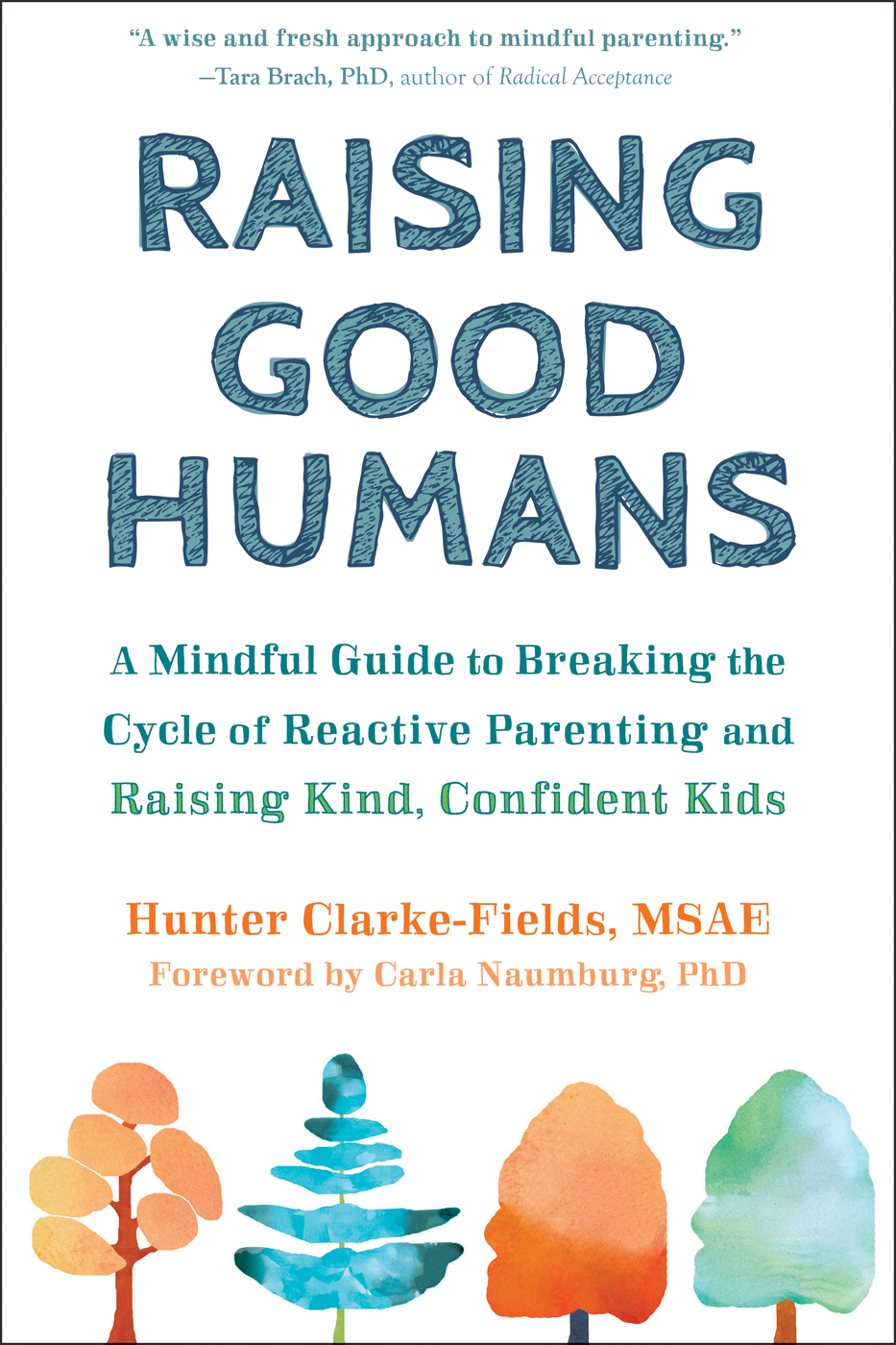

 Title: "Raising Good Humans: A Mindful Guide to Breaking the Cycle of Reactive Parenting and Raising Kind, Confident Kids"


Rating: ★★★★★


"Raising Good Humans" by [Author's Name] is a compassionate and insightful guide that revolutionizes the approach to parenting, offering a mindful perspective on breaking the cycle of reactive parenting and nurturing kind, confident children. Published in [Year], this book stands as a beacon of wisdom for parents seeking a transformative journey in raising empathetic and resilient individuals.


The core strength of the book lies in its emphasis on mindfulness. [Author's Name] skillfully weaves together practical advice, real-life anecdotes, and evidence-based strategies to empower parents with the tools needed to navigate the challenges of raising children in a mindful way. The book invites parents to pause, reflect, and respond thoughtfully rather than reacting impulsively, fostering a healthier and more connected parent-child relationship.


One of the standout features is the author's ability to blend psychological insights with relatable examples. By combining theory with relatable stories, [Author's Name] ensures that the book is not only instructive but also deeply engaging. Each chapter addresses specific aspects of parenting, from discipline to communication, providing a comprehensive guide that resonates with the day-to-day realities of raising children.


The mindfulness exercises sprinkled throughout the book are particularly valuable. They offer practical applications of the concepts discussed, allowing parents to integrate mindful practices seamlessly into their routines. The book serves not only as a guide for raising children but also as a tool for personal growth, encouraging parents to reflect on their own beliefs and behaviors.


In addition to its practical advice, "Raising Good Humans" stands out for its compassionate tone. [Author's Name] approaches parenting challenges with empathy, acknowledging the complexities of family life and the inherent imperfections that come with it. This compassionate perspective creates a non-judgmental atmosphere, reassuring parents that growth and learning are part of the journey.


While the book excels in providing guidance for parents of younger children, some readers may find themselves wanting more specific advice for parenting teenagers. However, the foundational principles of mindfulness and empathy are universally applicable and can be adapted to various stages of a child's development.


In conclusion, "Raising Good Humans" is a groundbreaking and compassionate guide that redefines the art of parenting. [Author's Name] offers a roadmap for breaking the cycle of reactive parenting, fostering a mindful approach that contributes to raising kind, confident, and emotionally resilient individuals. If you're a parent seeking a transformative and compassionate guide to navigating the challenges of parenthood, this book is an invaluable resource.

Comments

Popular posts from this blog

"1984" by George Orwell: A Haunting Classic That Resonates Even Today

  " 1984 " by George Orwell is a literary masterpiece that has stood the test of time. Written in 1949, this dystopian novel paints a vivid picture of a world where individual freedom and independent thought are suppressed, and a totalitarian regime controls every aspect of people's lives. The book has been a cultural touchstone for decades and remains relevant even today, with its themes of government surveillance, propaganda, and the erosion of civil liberties. The story is set in a fictional country called Oceania, which is ruled by a party led by Big Brother. The protagonist, Winston Smith, works in the Ministry of Truth, where he rewrites history to align with the party's propaganda. Winston secretly hates the regime and longs for freedom, but his attempts to rebel are met with brutal punishment. He eventually meets Julia, who shares his desire for rebellion, and together they begin a dangerous affair. Orwell's writing is a masterful blend of vivid imagery, t...

Dystopian Brilliance: "The Handmaid's Tale" by Margaret Atwood

 Title: Dystopian Brilliance: "The Handmaid's Tale" by Margaret Atwood Rating: ★★★★★ Margaret Atwood's "The Handmaid's Tale" stands as a chilling and prescient masterpiece of dystopian fiction. First published in 1985, Atwood's exploration of a nightmarish future where women's rights are stripped away is as relevant and haunting today as it was when it first captivated readers. This seminal work has become a touchstone for discussions on power, control, and the fragility of human rights. Set in the theocratic Republic of Gilead, a theonomic state that has replaced the United States, the novel is narrated by Offred, a Handmaid whose sole purpose is to bear children for the ruling class. Atwood's world-building is meticulous, immersing readers in the oppressive regime that controls every aspect of women's lives, from their bodies to their thoughts. The narrative is a powerful commentary on the dangers of religious extremism and the erosion ...

"Don't Believe Everything You Think"

 Title: "Don't Believe Everything You Think" Rating: ★★★★☆ "D​on't Believe Everything You Think" by Thomas Kida is a compelling exploration of critical thinking and the cognitive pitfalls that can lead individuals astray. Published in 2006, this book serves as a practical guide for readers to navigate the complexities of decision-making, offering insights into common cognitive errors and biases that influence our thoughts and beliefs. One of the book's key strengths is its accessibility. Kida takes a complex topic—critical thinking—and breaks it down into easily digestible concepts, making it suitable for a broad readership. He uses real-world examples and anecdotes to illustrate each cognitive pitfall, enhancing the book's relatability and ensuring that readers can apply the principles to their own lives. The central premise revolves around the idea that human thinking is prone to systematic errors, and individuals must actively engage in critical t...