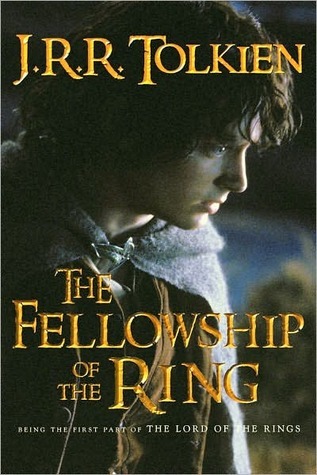
Epic Fantasy Unleashed: "The Fellowship of the Ring" by J.R.R. Tolkien


 Title: Epic Fantasy Unleashed: "The Fellowship of the Ring" by J.R.R. Tolkien


Rating: ★★★★★


J.R.R. Tolkien's "The Fellowship of the Ring" is a triumph of fantasy literature that transports readers into the richly imagined world of Middle-earth. Published in 1954, the first installment of "The Lord of the Rings" trilogy introduces us to a mesmerizing realm filled with magic, diverse cultures, and an epic quest that has become a touchstone for the fantasy genre.


The story begins with the unassuming hobbit, Frodo Baggins, inheriting a powerful and perilous ring from his uncle, Bilbo. Little does Frodo know that this ring, the One Ring, holds the key to the fate of Middle-earth. As the dark forces of Sauron seek to reclaim their lost treasure, Frodo sets out on an epic journey to Mount Doom to destroy the ring and thwart the impending darkness.


Tolkien's world-building is unparalleled. From the idyllic Shire to the mystical realms of Rivendell and Lothlórien, each location is vividly depicted, creating a sense of wonder and immersion. The richness of the cultures, languages, and histories woven into Middle-earth adds layers of depth, making it a fully realized and enchanting setting.


The characters in "The Fellowship of the Ring" are a diverse and memorable ensemble. From the wise and enigmatic Gandalf to the steadfast Aragorn, and the camaraderie of the fellowship comprising hobbits, humans, elves, and dwarves, each character brings a unique perspective and skill set to the quest. Frodo, the reluctant hero burdened with an immense responsibility, undergoes a profound journey of growth and self-discovery.


Tolkien's prose is elegantly crafted, infusing the narrative with a timeless quality. His ability to seamlessly blend epic storytelling with poetic language creates a reading experience that transcends generations. The use of song and verse further enriches the narrative, adding a mythic quality to the tale.


The theme of friendship and the indomitable spirit of the fellowship resonate throughout the novel. The bond forged among the diverse members of the fellowship becomes a beacon of hope in the face of overwhelming darkness. Themes of sacrifice, courage, and the battle between good and evil permeate the narrative, elevating it beyond a mere fantasy adventure.


"The Fellowship of the Ring" is not just a story; it's an immersive experience. Tolkien's intricate plot, coupled with his deep understanding of mythology and folklore, creates a narrative that is both familiar and uniquely his own. The novel sets the stage for an epic saga that explores the complexities of power, destiny, and the enduring strength of the human (and hobbit) spirit.


In conclusion, "The Fellowship of the Ring" is a masterclass in fantasy literature. Tolkien's unparalleled world-building, rich characters, and timeless themes make it a cornerstone of the genre. Whether you're a seasoned fantasy enthusiast or a newcomer to Middle-earth, this novel continues to enchant and captivate, ensuring its place as a literary classic that transcends the boundaries of time and genre.

Comments

Popular posts from this blog

"1984" by George Orwell: A Haunting Classic That Resonates Even Today

  " 1984 " by George Orwell is a literary masterpiece that has stood the test of time. Written in 1949, this dystopian novel paints a vivid picture of a world where individual freedom and independent thought are suppressed, and a totalitarian regime controls every aspect of people's lives. The book has been a cultural touchstone for decades and remains relevant even today, with its themes of government surveillance, propaganda, and the erosion of civil liberties. The story is set in a fictional country called Oceania, which is ruled by a party led by Big Brother. The protagonist, Winston Smith, works in the Ministry of Truth, where he rewrites history to align with the party's propaganda. Winston secretly hates the regime and longs for freedom, but his attempts to rebel are met with brutal punishment. He eventually meets Julia, who shares his desire for rebellion, and together they begin a dangerous affair. Orwell's writing is a masterful blend of vivid imagery, t...

Dystopian Brilliance: "The Handmaid's Tale" by Margaret Atwood

 Title: Dystopian Brilliance: "The Handmaid's Tale" by Margaret Atwood Rating: ★★★★★ Margaret Atwood's "The Handmaid's Tale" stands as a chilling and prescient masterpiece of dystopian fiction. First published in 1985, Atwood's exploration of a nightmarish future where women's rights are stripped away is as relevant and haunting today as it was when it first captivated readers. This seminal work has become a touchstone for discussions on power, control, and the fragility of human rights. Set in the theocratic Republic of Gilead, a theonomic state that has replaced the United States, the novel is narrated by Offred, a Handmaid whose sole purpose is to bear children for the ruling class. Atwood's world-building is meticulous, immersing readers in the oppressive regime that controls every aspect of women's lives, from their bodies to their thoughts. The narrative is a powerful commentary on the dangers of religious extremism and the erosion ...

"Don't Believe Everything You Think"

 Title: "Don't Believe Everything You Think" Rating: ★★★★☆ "D​on't Believe Everything You Think" by Thomas Kida is a compelling exploration of critical thinking and the cognitive pitfalls that can lead individuals astray. Published in 2006, this book serves as a practical guide for readers to navigate the complexities of decision-making, offering insights into common cognitive errors and biases that influence our thoughts and beliefs. One of the book's key strengths is its accessibility. Kida takes a complex topic—critical thinking—and breaks it down into easily digestible concepts, making it suitable for a broad readership. He uses real-world examples and anecdotes to illustrate each cognitive pitfall, enhancing the book's relatability and ensuring that readers can apply the principles to their own lives. The central premise revolves around the idea that human thinking is prone to systematic errors, and individuals must actively engage in critical t...