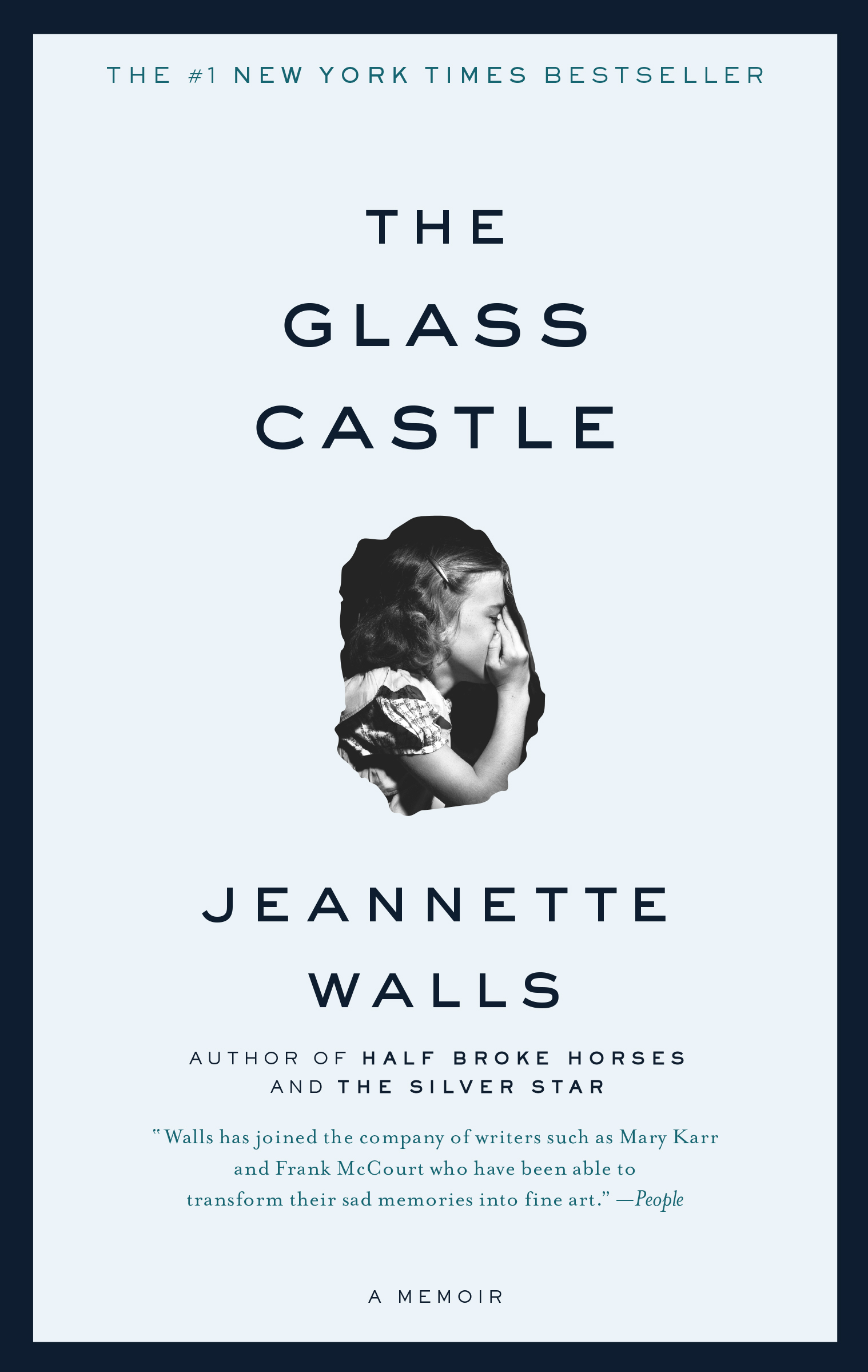
The Glass Castle


Title: A Compelling Memoir of Resilience and Dysfunction: "The Glass Castle" by Jeannette Walls


Rating: ★★★★★


"The Glass Castle" by Jeannette Walls is a captivating and deeply moving memoir that offers readers a raw and unflinching glimpse into a childhood marked by poverty, instability, and the enduring strength of the human spirit. Walls narrates her tumultuous upbringing with a remarkable blend of honesty, compassion, and an artist's eye for detail.


The narrative is framed around the dysfunctional Walls family—parents Rex and Rose Mary, and their four children—whose nomadic lifestyle takes them from one place to another, always on the brink of destitution. The title, "The Glass Castle," refers to Rex's grandiose yet unfulfilled dream of building an idyllic glass house for his family, a metaphor that echoes throughout the memoir.


Walls' writing is vivid and evocative, immersing the reader in the eccentric and often chaotic world of her childhood. Her descriptions of the dilapidated homes, the makeshift existence, and the constant struggle for survival are both heartbreaking and beautifully rendered. Walls does not shy away from depicting the challenges her family faced, nor does she romanticize their unconventional lifestyle.


What makes "The Glass Castle" truly exceptional is its exploration of the complex relationships within the Walls family. Despite the dysfunction, Walls portrays her parents with nuance, revealing their flaws alongside moments of brilliance. Rex Walls, a charismatic and deeply flawed father, is simultaneously a source of inspiration and heartbreak. Rose Mary Walls, a painter consumed by her art, grapples with motherhood in a way that is both neglectful and deeply rooted in her own struggles.


The resilience of Walls and her siblings is a testament to the power of the human spirit. Despite their tumultuous upbringing, the Walls children find strength and determination within themselves, ultimately transcending the limitations imposed by their circumstances. Walls' journey from poverty to success as a journalist adds a layer of hope to the narrative, showing that one's past does not necessarily dictate their future.


While the memoir is a compelling exploration of resilience, it also raises ethical questions about parental responsibility and the impact of unconventional lifestyles on children. Some readers may find certain aspects of the story unsettling or difficult to reconcile.


In conclusion, "The Glass Castle" is a powerful and emotionally charged memoir that leaves a lasting impression. Jeannette Walls' ability to recount her unconventional childhood with a blend of candor, sensitivity, and resilience makes this book a deeply affecting and thought-provoking read. It is a testament to the strength of the human spirit and an exploration of the enduring impact of family bonds, even in the face of profound dysfunction. 

Comments

Popular posts from this blog

"1984" by George Orwell: A Haunting Classic That Resonates Even Today

  " 1984 " by George Orwell is a literary masterpiece that has stood the test of time. Written in 1949, this dystopian novel paints a vivid picture of a world where individual freedom and independent thought are suppressed, and a totalitarian regime controls every aspect of people's lives. The book has been a cultural touchstone for decades and remains relevant even today, with its themes of government surveillance, propaganda, and the erosion of civil liberties. The story is set in a fictional country called Oceania, which is ruled by a party led by Big Brother. The protagonist, Winston Smith, works in the Ministry of Truth, where he rewrites history to align with the party's propaganda. Winston secretly hates the regime and longs for freedom, but his attempts to rebel are met with brutal punishment. He eventually meets Julia, who shares his desire for rebellion, and together they begin a dangerous affair. Orwell's writing is a masterful blend of vivid imagery, t...

"Don't Believe Everything You Think"

 Title: "Don't Believe Everything You Think" Rating: ★★★★☆ "D​on't Believe Everything You Think" by Thomas Kida is a compelling exploration of critical thinking and the cognitive pitfalls that can lead individuals astray. Published in 2006, this book serves as a practical guide for readers to navigate the complexities of decision-making, offering insights into common cognitive errors and biases that influence our thoughts and beliefs. One of the book's key strengths is its accessibility. Kida takes a complex topic—critical thinking—and breaks it down into easily digestible concepts, making it suitable for a broad readership. He uses real-world examples and anecdotes to illustrate each cognitive pitfall, enhancing the book's relatability and ensuring that readers can apply the principles to their own lives. The central premise revolves around the idea that human thinking is prone to systematic errors, and individuals must actively engage in critical t...

A Dystopian Masterpiece: The Handmaid's Tale

  "The Handmaid's Tale" by Margaret Atwood is a haunting and thought-provoking novel that has cemented its place as a modern dystopian classic. With its chilling depiction of a totalitarian society and its exploration of gender, power, and identity, this book is a compelling and harrowing tale that will leave readers questioning the fragility of freedom and the consequences of societal oppression. Plot and Characters: Set in the near future, the story unfolds in the Republic of Gilead, a theocratic regime where women's rights have been stripped away, and fertile women called Handmaids are assigned to bear children for the ruling elite. We follow Offred, a Handmaid, as she navigates this oppressive world, forced to confront her memories of the past while grappling with her desire for freedom. Atwood's skillful storytelling draws readers into the nightmarish reality of Gilead, where every aspect of women's lives is controlled and monitored. The characters in ...