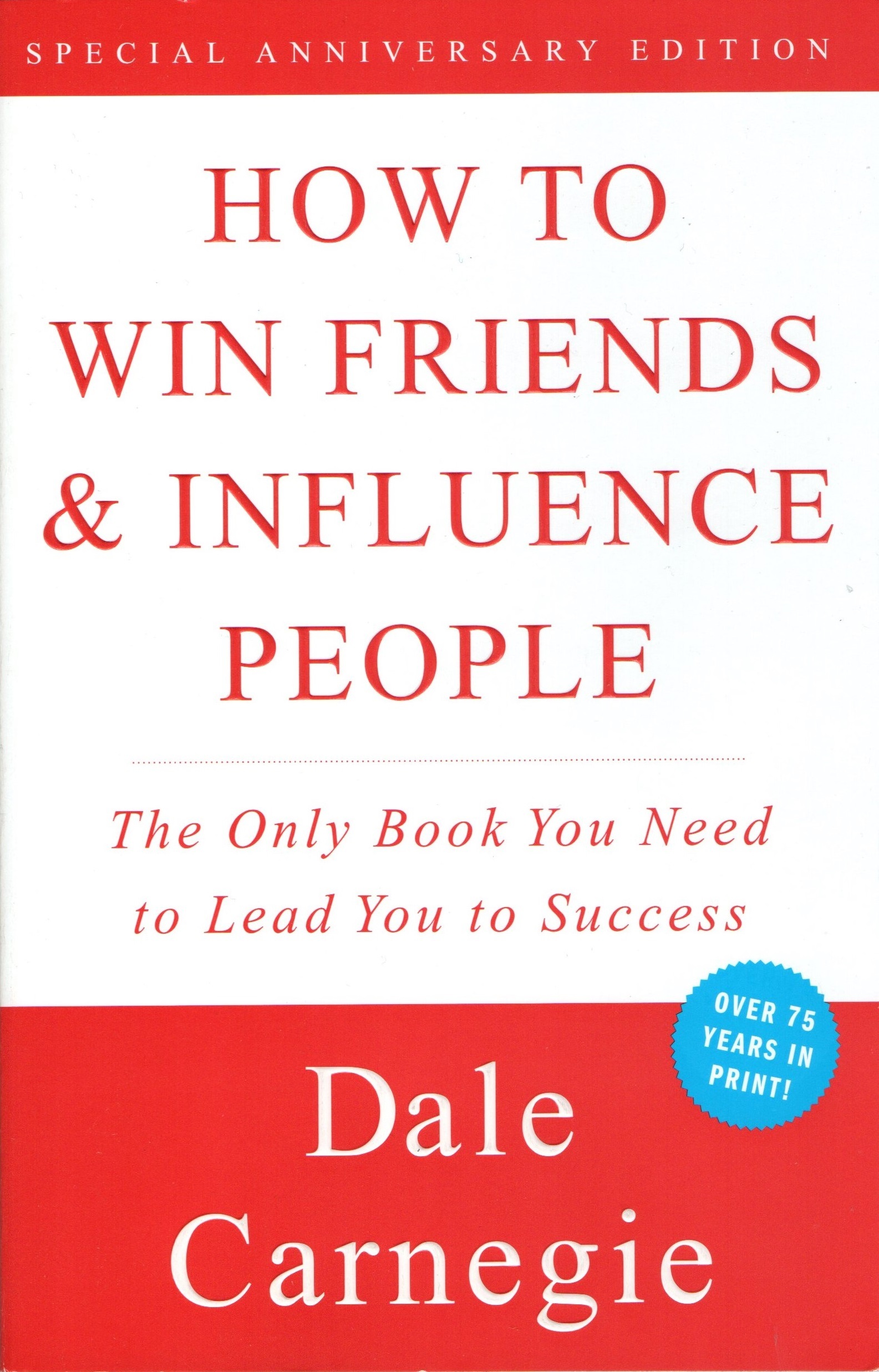
How to Win Friends and Influence People


 Title: Timeless Principles for Human Connection: "How to Win Friends and Influence People" by Dale Carnegie


Rating: ★★★★★


Dale Carnegie's "How to Win Friends and Influence People" stands as a classic in the self-help genre, offering enduring principles for effective communication, relationship-building, and personal development. Originally published in 1936, Carnegie's insights remain remarkably relevant, resonating with readers across generations who seek to enhance their interpersonal skills.


The book is structured into four sections, each focusing on fundamental principles for successful interaction. Carnegie's approach is rooted in the belief that understanding and respecting others is key to achieving personal and professional success. He provides a wealth of anecdotes, examples, and practical advice that are not only instructive but also encouraging.


One of the book's strengths is its emphasis on empathy and genuine interest in others. Carnegie underscores the importance of actively listening, acknowledging people's perspectives, and expressing sincere appreciation. The book serves as a guide to fostering positive relationships by understanding the human desire for recognition and validation.


Carnegie's principles are not manipulative tactics but rather genuine pathways to building authentic connections. From remembering people's names to avoiding criticism and encouraging others to talk about themselves, the advice is simple yet profound. The book's enduring popularity lies in its ability to distill complex social dynamics into practical, actionable steps.


The real-world examples cited by Carnegie add a relatable dimension to the principles he espouses. Readers can see how individuals, both historically and in their everyday lives, have successfully applied these principles to navigate various social situations. The emphasis on learning from real-life experiences enhances the book's credibility and applicability.


While the language and some examples may reflect the era in which the book was written, the core principles are timeless. However, modern readers might need to exercise some discernment and adapt certain recommendations to align with contemporary social norms and values.


In conclusion, "How to Win Friends and Influence People" is a classic guide that transcends its time, offering enduring principles for effective communication and relationship-building. Dale Carnegie's wisdom is not only applicable in professional contexts but is equally valuable in personal relationships. The book stands as a testament to the universality of human desires for understanding, respect, and meaningful connections, making it a must-read for anyone seeking to enhance their interpersonal skills and navigate the complexities of human interaction.

Comments

Popular posts from this blog

"1984" by George Orwell: A Haunting Classic That Resonates Even Today

  " 1984 " by George Orwell is a literary masterpiece that has stood the test of time. Written in 1949, this dystopian novel paints a vivid picture of a world where individual freedom and independent thought are suppressed, and a totalitarian regime controls every aspect of people's lives. The book has been a cultural touchstone for decades and remains relevant even today, with its themes of government surveillance, propaganda, and the erosion of civil liberties. The story is set in a fictional country called Oceania, which is ruled by a party led by Big Brother. The protagonist, Winston Smith, works in the Ministry of Truth, where he rewrites history to align with the party's propaganda. Winston secretly hates the regime and longs for freedom, but his attempts to rebel are met with brutal punishment. He eventually meets Julia, who shares his desire for rebellion, and together they begin a dangerous affair. Orwell's writing is a masterful blend of vivid imagery, t...

"Don't Believe Everything You Think"

 Title: "Don't Believe Everything You Think" Rating: ★★★★☆ "D​on't Believe Everything You Think" by Thomas Kida is a compelling exploration of critical thinking and the cognitive pitfalls that can lead individuals astray. Published in 2006, this book serves as a practical guide for readers to navigate the complexities of decision-making, offering insights into common cognitive errors and biases that influence our thoughts and beliefs. One of the book's key strengths is its accessibility. Kida takes a complex topic—critical thinking—and breaks it down into easily digestible concepts, making it suitable for a broad readership. He uses real-world examples and anecdotes to illustrate each cognitive pitfall, enhancing the book's relatability and ensuring that readers can apply the principles to their own lives. The central premise revolves around the idea that human thinking is prone to systematic errors, and individuals must actively engage in critical t...

A Dystopian Masterpiece: The Handmaid's Tale

  "The Handmaid's Tale" by Margaret Atwood is a haunting and thought-provoking novel that has cemented its place as a modern dystopian classic. With its chilling depiction of a totalitarian society and its exploration of gender, power, and identity, this book is a compelling and harrowing tale that will leave readers questioning the fragility of freedom and the consequences of societal oppression. Plot and Characters: Set in the near future, the story unfolds in the Republic of Gilead, a theocratic regime where women's rights have been stripped away, and fertile women called Handmaids are assigned to bear children for the ruling elite. We follow Offred, a Handmaid, as she navigates this oppressive world, forced to confront her memories of the past while grappling with her desire for freedom. Atwood's skillful storytelling draws readers into the nightmarish reality of Gilead, where every aspect of women's lives is controlled and monitored. The characters in ...