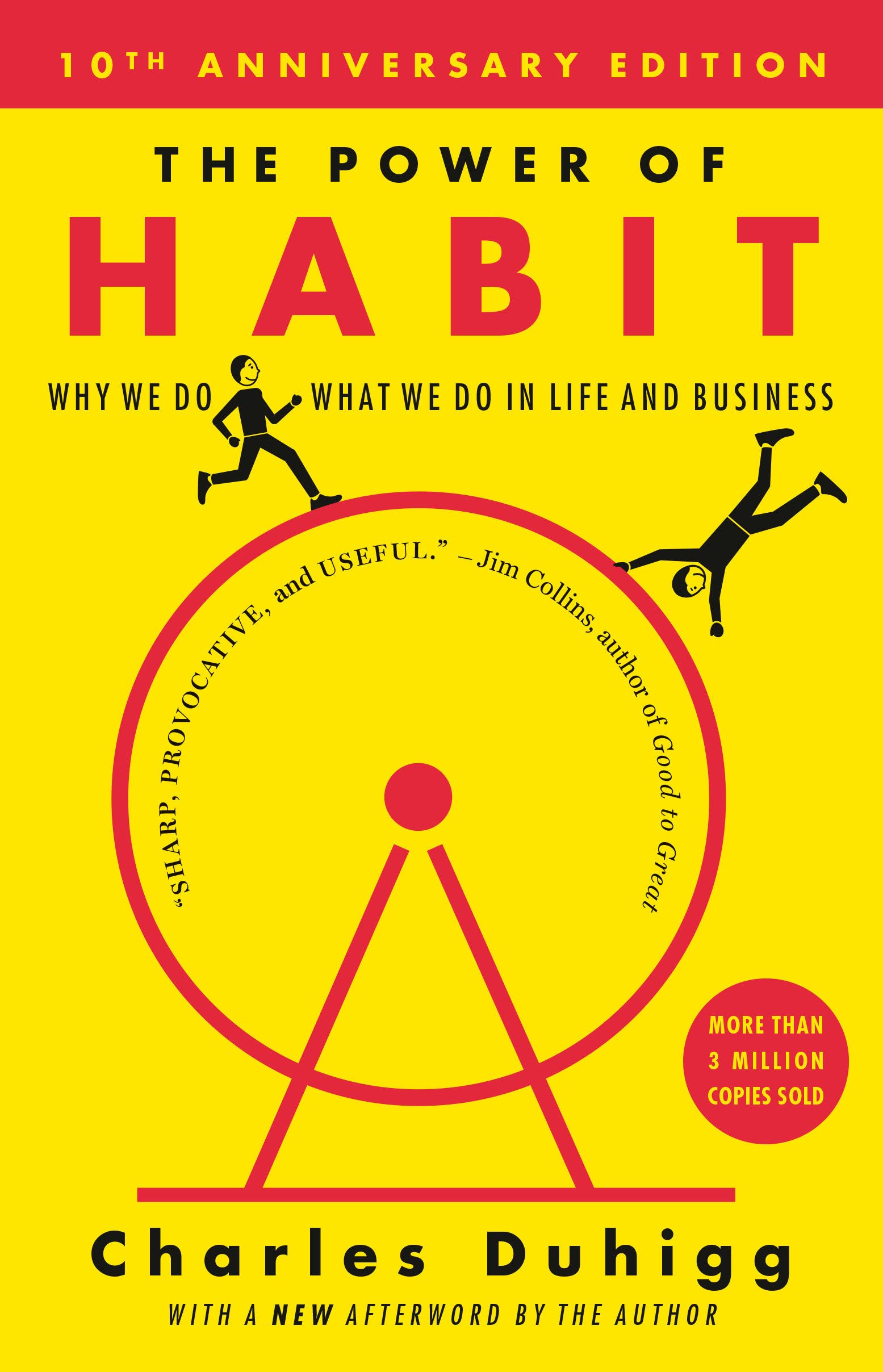
The Power of Habit: Why We Do What We Do in Life and Business


 Title: "Unraveling the Blueprint of Behavior: A Review of 'The Power of Habit: Why We Do What We Do in Life and Business'"


Rating: ★★★★★ (5/5)


Charles Duhigg's "The Power of Habit" is a captivating exploration of the science behind habits and their profound influence on our lives, both personally and professionally. Through a blend of engaging stories and compelling research, Duhigg unravels the mysteries of habit formation and presents a roadmap for harnessing the power of habits to transform our routines, businesses, and, ultimately, our destinies.


The book's strength lies in its ability to distill complex scientific concepts into relatable narratives. Duhigg combines captivating anecdotes with insights from psychology, neuroscience, and behavioral economics to provide readers with a deep understanding of how habits work and why they matter. This storytelling approach makes the science of habits accessible and engaging to a wide range of readers.


Duhigg's writing is clear, well-structured, and highly informative. He breaks down the habit loop (cue, routine, reward) and explores how habits can be broken, rewired, or intentionally cultivated. He emphasizes that understanding and altering our habits can lead to personal transformation and improved decision-making.


One of the book's standout features is its exploration of the role of habits in organizations and businesses. Duhigg delves into the science of habit-based marketing and corporate culture, offering illuminating case studies from companies like Procter & Gamble and Alcoa. These examples showcase how businesses can leverage the power of habits to drive success and innovation.


However, some readers may find the book's division into three parts (individual habits, organizational habits, and societal habits) slightly disjointed, as each part explores distinct aspects of habit formation and change. While this structure allows for a comprehensive examination, it may lead to some repetition of key concepts.


"The Power of Habit" is a thought-provoking and transformative exploration of human behavior and the science of habit formation. Charles Duhigg's ability to blend captivating stories with rigorous research makes the book not only informative but also highly engaging. Whether you're looking to change personal habits, optimize your business practices, or simply understand the mechanics of behavior, this book provides a profound and actionable framework for harnessing the power of habits. It empowers readers to take control of their lives and organizations by understanding the science behind why we do what we do.

Comments

Popular posts from this blog

"1984" by George Orwell: A Haunting Classic That Resonates Even Today

  " 1984 " by George Orwell is a literary masterpiece that has stood the test of time. Written in 1949, this dystopian novel paints a vivid picture of a world where individual freedom and independent thought are suppressed, and a totalitarian regime controls every aspect of people's lives. The book has been a cultural touchstone for decades and remains relevant even today, with its themes of government surveillance, propaganda, and the erosion of civil liberties. The story is set in a fictional country called Oceania, which is ruled by a party led by Big Brother. The protagonist, Winston Smith, works in the Ministry of Truth, where he rewrites history to align with the party's propaganda. Winston secretly hates the regime and longs for freedom, but his attempts to rebel are met with brutal punishment. He eventually meets Julia, who shares his desire for rebellion, and together they begin a dangerous affair. Orwell's writing is a masterful blend of vivid imagery, t...

Dystopian Brilliance: "The Handmaid's Tale" by Margaret Atwood

 Title: Dystopian Brilliance: "The Handmaid's Tale" by Margaret Atwood Rating: ★★★★★ Margaret Atwood's "The Handmaid's Tale" stands as a chilling and prescient masterpiece of dystopian fiction. First published in 1985, Atwood's exploration of a nightmarish future where women's rights are stripped away is as relevant and haunting today as it was when it first captivated readers. This seminal work has become a touchstone for discussions on power, control, and the fragility of human rights. Set in the theocratic Republic of Gilead, a theonomic state that has replaced the United States, the novel is narrated by Offred, a Handmaid whose sole purpose is to bear children for the ruling class. Atwood's world-building is meticulous, immersing readers in the oppressive regime that controls every aspect of women's lives, from their bodies to their thoughts. The narrative is a powerful commentary on the dangers of religious extremism and the erosion ...

"Don't Believe Everything You Think"

 Title: "Don't Believe Everything You Think" Rating: ★★★★☆ "D​on't Believe Everything You Think" by Thomas Kida is a compelling exploration of critical thinking and the cognitive pitfalls that can lead individuals astray. Published in 2006, this book serves as a practical guide for readers to navigate the complexities of decision-making, offering insights into common cognitive errors and biases that influence our thoughts and beliefs. One of the book's key strengths is its accessibility. Kida takes a complex topic—critical thinking—and breaks it down into easily digestible concepts, making it suitable for a broad readership. He uses real-world examples and anecdotes to illustrate each cognitive pitfall, enhancing the book's relatability and ensuring that readers can apply the principles to their own lives. The central premise revolves around the idea that human thinking is prone to systematic errors, and individuals must actively engage in critical t...