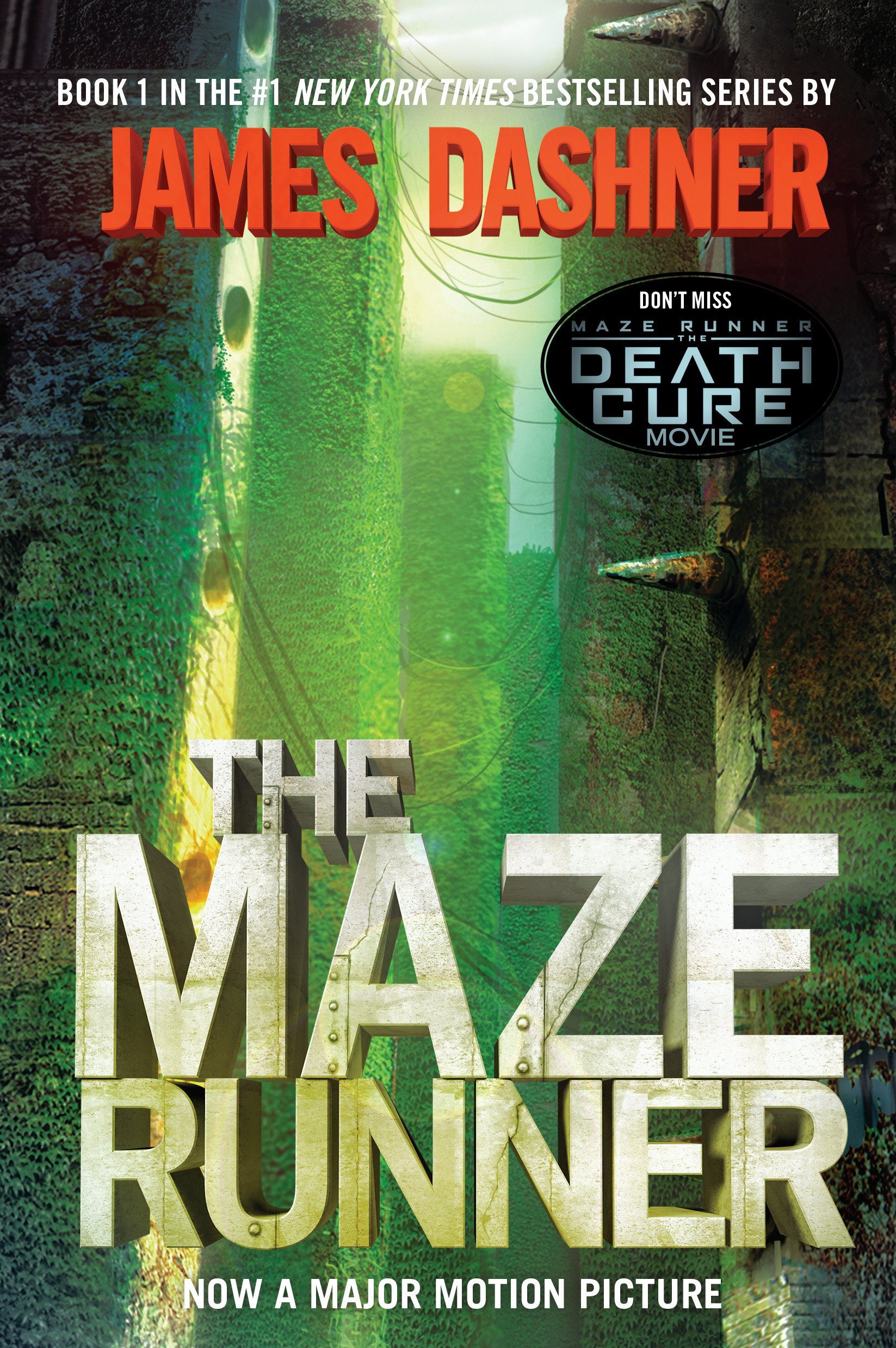
James Dashner's "The Maze Runner" is a gripping and adrenaline-pumping young adult dystopian novel that takes readers on a thrilling journey through a mysterious and perilous maze. The first book in the Maze Runner series, it introduces us to a unique world filled with enigmatic characters and an intriguing plot that will keep readers hooked until the very last page.
The story begins with Thomas, the protagonist, awakening in a dark metal elevator with no memory of who he is or how he got there. He finds himself surrounded by a group of boys who are just as confused as he is, all of whom have arrived in the same manner. They have built a self-sustaining community called the Glade in the center of an enormous maze, where their memories have been erased.
Dashner's world-building is remarkable, and the description of the Glade and the ever-shifting maze is vivid and imaginative. As the Gladers try to make sense of their surroundings, a sense of urgency and suspense starts to build. Every day, a few brave boys, known as "Runners," venture into the labyrinth to map it and search for an escape route. Their mission becomes even more critical when a young girl, Teresa, arrives in the Glade, bringing a message that everything is about to change.
The characters in "The Maze Runner" are well-developed, each with their unique personality and role in the community. Thomas, the tenacious and inquisitive protagonist, serves as a catalyst for change, pushing the group to challenge their situation and question their reality. His determination and courage in the face of adversity make him an endearing character that readers will root for throughout the book.
Dashner expertly builds tension and suspense throughout the novel. The maze itself becomes a character, with its shifting walls and deadly creatures known as Grievers. As the Gladers attempt to decipher the maze's secrets, they face increasingly dangerous challenges that test their friendships and their will to survive.
The pacing of "The Maze Runner" is excellent, with the story moving at a breakneck speed. The author keeps the reader guessing, unveiling tantalizing clues and revelations that add to the intrigue. Dashner's writing style is fluid and engaging, making it easy to get lost in the thrilling events of the book.
Although the novel primarily focuses on action and survival, Dashner doesn't neglect the emotional aspect. The camaraderie and conflicts among the Gladers, as well as the characters' personal struggles and insecurities, add depth to the narrative. These emotional layers create a more immersive reading experience, making the characters feel real and relatable.
If there's one minor drawback, it's that some questions remain unanswered by the end of the book. However, this only leaves readers hungry for more and eager to dive into the next installment of the series.
In conclusion, "The Maze Runner" is a pulse-pounding and suspenseful adventure that will captivate readers of all ages. With a thrilling plot, well-crafted characters, and a mysterious setting, it's no wonder this book has become a beloved classic in the young adult dystopian genre. Dashner's ability to keep readers on the edge of their seats ensures that this novel will leave a lasting impression, making it a must-read for fans of action-packed and thought-provoking fiction.
Comments
Post a Comment