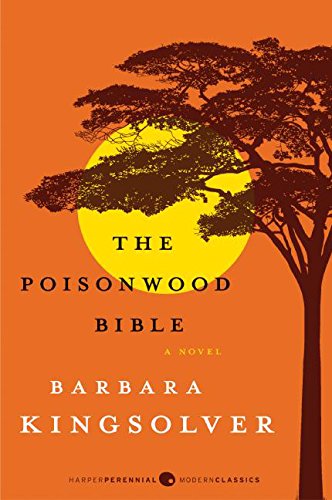
Author: Barbara KingsolverGenre: FictionPublication Year: 1998
"The Poisonwood Bible" by Barbara Kingsolver is a monumental work of fiction that immerses readers in a complex and captivating story set against the backdrop of the Belgian Congo during the turbulent years of its struggle for independence. This novel weaves together the perspectives of the Price family, who are swept up in a whirlwind of cultural clashes, personal growth, and the haunting legacy of colonialism.
Kingsolver's masterful storytelling unfolds through the alternating voices of the Price women—Orleanna, the wife of a fiery Baptist missionary; and their four daughters, Rachel, Leah, Adah, and Ruth May. Each character brings a unique perspective and distinct voice, making the narrative richly textured and engaging.
The central theme of the novel revolves around the clash of cultures and the destructive power of imperialism. Reverend Nathan Price, the headstrong and stubborn patriarch, is determined to impose his religious beliefs on the Congolese people without understanding or respecting their customs, language, or history. As the story progresses, we witness the devastating consequences of his ignorance and arrogance, leading to a profound examination of the consequences of colonialism and its lasting impact on both individuals and societies.
One of the most striking aspects of "The Poisonwood Bible" is Kingsolver's vivid and evocative prose. Her language is lush and poetic, painting a picture of the lush Congolese landscape and its rich flora and fauna. Through her eloquent descriptions, the reader can almost taste the humid air, hear the chorus of exotic animals, and feel the oppressive weight of the jungle's secrets.
Moreover, Kingsolver's exploration of the female experience and the development of her female characters are truly exceptional. Each of the Price daughters evolves throughout the novel, and their distinct voices and perspectives provide a deep insight into the challenges faced by women in a male-dominated world. From Rachel's naivety and longing for American consumerism to Leah's growing awareness and determination to bridge cultural divides, Adah's sharp intellect and witty observations, and Ruth May's youthful innocence, each character is fully realized and leaves a lasting impression.
"The Poisonwood Bible" is not just a story about the Congo; it is a universal tale of human resilience, love, loss, and the power of forgiveness. Kingsolver delves into profound moral and philosophical questions about the nature of good and evil, the complexities of faith, and the consequences of our actions. It is a story that challenges our assumptions and forces us to confront the dark chapters of history while also offering glimpses of hope and redemption.
In conclusion, "The Poisonwood Bible" is a literary triumph—a thought-provoking and deeply moving novel that leaves an indelible mark on the reader's heart and mind. Kingsolver's exquisite prose, compelling characters, and profound exploration of themes make this book a timeless classic that continues to resonate with readers long after the final page is turned. It is a must-read for anyone seeking a rich and immersive literary experience that combines historical fiction, social commentary, and the power of storytelling at its finest.
Comments
Post a Comment